How long can the area be out of service?
No votes yet. Yours will be the first. · saved on this device
Loading...
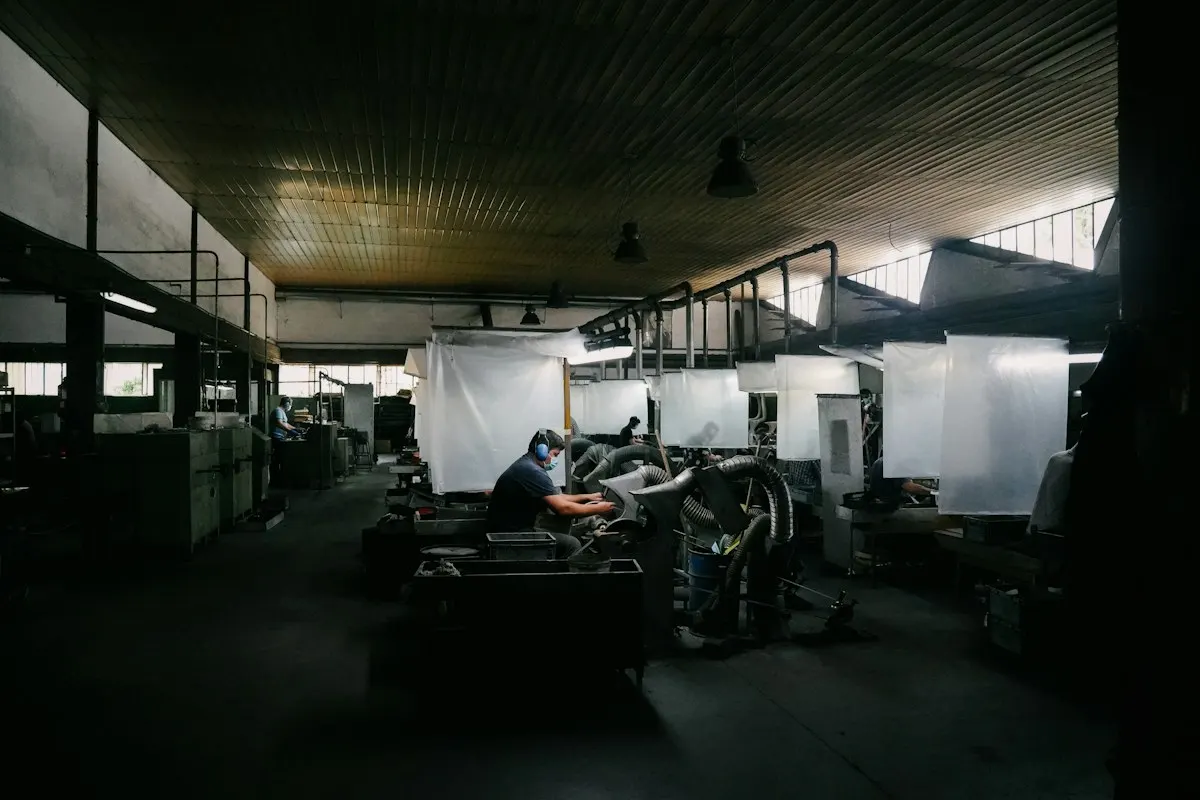
Facility Floor Scope · MMA (methyl methacrylate) vs Urethane cement
Choose MMA when the floor must be back in service within hours, or installed in a cooler or freezer, and odor can be isolated: overnight retail, restaurants, cold storage. Choose urethane cement for hot wash-down, steam cleaning, and heavy forklift lanes, where thermal shock resistance and long service life matter more than a fast cure.
Photo: Siddharth Govindan · License.
Both systems are chosen when ordinary epoxy will not do, but for different reasons. MMA solves a time and temperature problem: it cures in about an hour and can be installed on cold slabs. Urethane cement solves an exposure problem: it survives thermal shock and wash-down that break other resins. Facilities with both constraints need to decide which one governs each zone.
This page sets out the scenarios for each system, a ten-year cost view from published figures, the climate and building factors that affect the choice, the mistakes that lead to failures or complaints, and how to compare proposals. The comparison table and verdict summarize the trade-off; the sections explain it for a facility team.
MMA cures in about an hour and installs in cold rooms, which makes it the overnight-turnaround and cooler floor, at $8 to $12 per square foot and with a strong cure odor. Urethane cement is the thermal-shock and wash-down floor at $7 to $18, returning to service in 24 hours self-leveling.
| Factor | MMA (methyl methacrylate) | Urethane cement |
|---|---|---|
| Installed cost per sq ft | $8–$12 (Terrapin 2026) | $7–$13 standard, $12–$18 thermal shock (Ace Avant 2026) |
| Cure | About 1 hour | 24 hrs self-leveling; 8–12 hrs rapid-set foot traffic |
| Cold application | Yes, including coolers | Limited; heated enclosure in cold |
| Thermal shock | Moderate | 250°F+ |
| Odor during install | Strong; isolation and exhaust required | Moderate |
| Best for | Overnight retail, coolers and freezers, cold-weather work | Hot wash-down, food processing, heavy forklift lanes |
MMA wins when the window is hours rather than days, or when the slab is cold: overnight retail turnarounds, coolers and freezer floors in the 163,000 food sales buildings our CBECS analysis counts, and winter installs. Urethane cement wins where the daily thermal cycle is the threat. In a facility with both a freezer and a hot wash-down room, the two systems may sit side by side with a transition detail, and the odor plan for MMA belongs in the proposal.
MMA fits grocery and retail floors that must reopen the next morning, restaurants that can close only overnight, walk-in coolers and freezers that cannot be warmed, and loading areas in cold weather. Its cure of about an hour means a section can be prepared, installed, and returned in one shift. The stock is large: our CBECS analysis counts 163,000 food sales buildings on 1,006 million sq ft and 70,000 fast food buildings on 291 million sq ft. Terrapin prices it at $8–$12 per sq ft installed.
Urethane cement fits food and beverage processing with steam cleaning, commercial kitchens with hot-water hose-down, breweries, and heavy forklift lanes. Craftsman lists 24 hrs / 48–72 hrs for self-leveling and trowel builds, and Terrapin cites rapid-set products reaching foot traffic in 8 to 12 hours. It is slower than MMA but far more tolerant of thermal shock.
Installed prices overlap: Terrapin's $8 to $12 for MMA against Ace Avant's $7 to $13 for standard urethane cement and $12–$18 per sq ft for thermal shock builds. The difference over ten years comes from downtime and durability. MMA's fast cure saves lost trading or production days, which can be worth more than the floor in a busy store. Urethane cement's service life of 25+ years reduces replacements in harsh wet areas.
For a restaurant kitchen closed only overnight, MMA may be the only way to install without losing trading days, and that saving dominates the cost comparison. For a processing room with a weekend shutdown and daily steam cleaning, urethane cement's durability dominates. Estimate the value of a day of downtime for each zone, then add it to the installed price for each system.
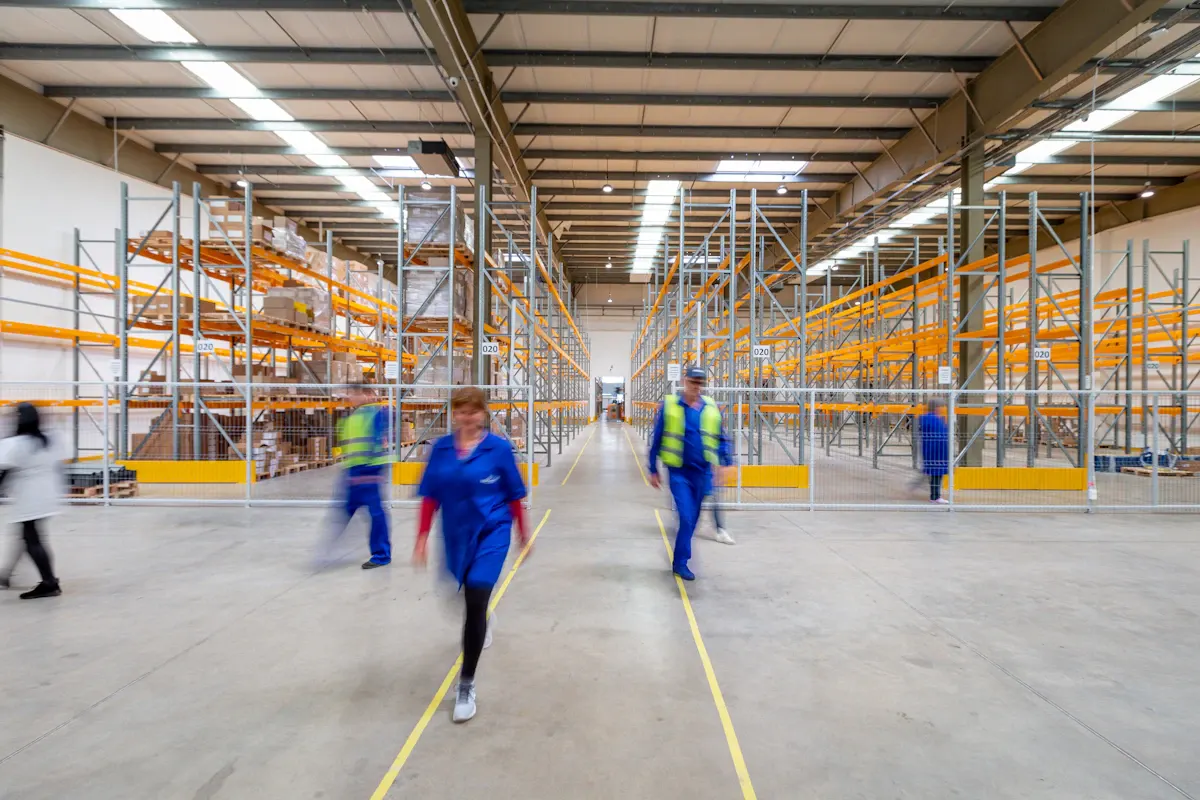
MMA's ability to cure on cold slabs is its defining advantage. Coolers and freezers can often be installed without being warmed, which avoids the cost and product risk of shutting down refrigeration. Urethane cement generally needs warmer substrate temperatures; in unheated buildings in winter, contractors may need heated enclosures that add cost and time.
Building air is MMA's constraint. Its strong odor travels through ductwork and can taint food or disturb occupants. Installation requires isolating the area, shutting down or redirecting air handling, and exhausting fumes outside. In food plants, the quality team should approve the plan to avoid odor reaching product. Urethane cement has a milder odor, which simplifies installation in occupied or shared buildings.
With MMA, the common mistakes are underestimating odor control, installing near food without isolation, and choosing it for areas with heavy thermal shock it cannot handle. With urethane cement, they are skipping anchor keys at edges and drains, installing on cold slabs without heat, and choosing it for tight windows that its cure cannot meet.
A mistake common to both is poor surface preparation. Each needs sound, clean concrete with a proper profile, and both fail at the bond line if preparation is skipped. Moisture testing is also essential: urethane cement tolerates more moisture than many resins, but neither is immune. The specification quiz checks whether a brief covers downtime, temperature, and odor constraints.
A typical overnight job starts after closing. The crew seals off the area, shuts down or redirects the air handling serving it, and sets up exhaust fans to the outside. They grind or shot blast the section, vacuum it, and apply primer, body coats, and a topcoat in quick succession because each layer cures in roughly an hour. Coves and edges are formed as the layers go down.
By early morning the floor has cured enough for traffic, the crew removes barriers and cleans up, and ventilation continues until any lingering odor clears. The store or restaurant opens on time. The same approach repeats night after night until the whole floor is done. The cost of that schedule is higher labor and repeated setups, which is still usually less than the value of closing for several days.
Before approving an overnight plan, confirm with the building owner and any neighboring tenants that the odor and ventilation arrangements are acceptable, and make sure the fire marshal has no objections to storing and using a flammable resin in the building. Those approvals are easy to secure in advance and very hard to secure at midnight.
It is also worth running the first night as a trial on a small, low-risk section. It shows whether the odor control works, how long the crew actually needs, and whether the floor is ready for opening time. Adjustments are cheap after one night and expensive after a week of complaints from staff, customers, or neighboring tenants, so treat the trial as part of the contract.
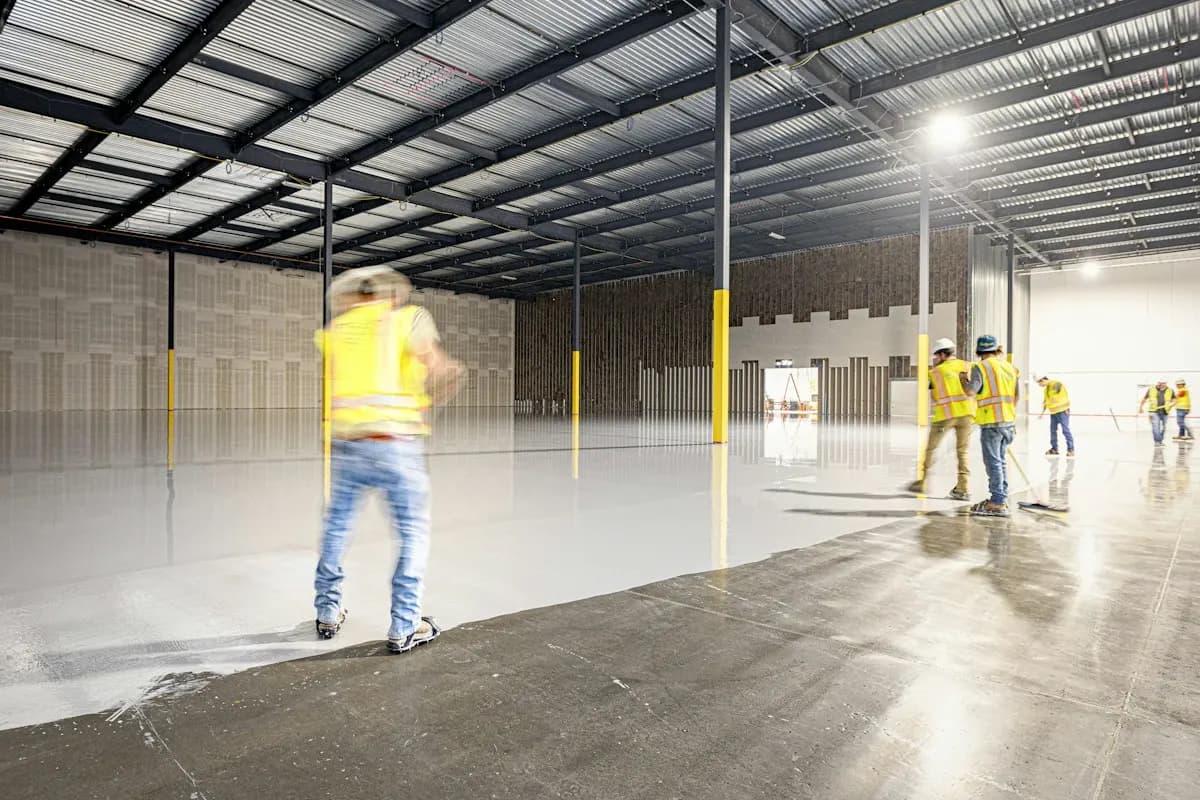
Food distribution centers, grocery chains with in-store production, and processing plants with cold storage often use both. Urethane cement goes into processing rooms, wash-down areas, and loading zones that see hot cleaning water. MMA goes into walk-in coolers, freezers, and front-of-house areas that must be finished overnight. Each system is used where its strength matters most.
The brief should map each zone to its governing constraint: temperature and wash-down, or time and cold. Transitions between systems need keyed saw-cut terminations and should be priced. Some contractors install both systems, which simplifies coordination; others specialize. Ask each bidder whether they will self-perform both or subcontract one, since that affects scheduling and warranty responsibility.
Warranty responsibility deserves particular attention in mixed installations. If one contractor installs both systems, a failure at a transition is clearly theirs; if two contractors are involved, each may point at the other. The resin flooring service page explains how both systems are specified, and the project planning guide shows how to split zones and shutdown windows in a phasing plan before bids go out.
Ask each proposal to state the system, thickness, preparation and profile, moisture testing, return-to-service time at your expected slab temperature, and the odor and ventilation plan. For MMA, ask how the contractor will isolate the area, what air handling needs to shut down, and how they will prevent odor reaching food or occupied spaces. For urethane cement, ask about anchor keys, thermal shock rating, and cure temperature limits.
Then compare on installed cost plus downtime value plus expected life. Use the cost calculator specialty tier and check the resin flooring cost guide for size-based ranges. If both systems are plausible for a zone, a small mockup of each, tested for adhesion and exposed to your cleaning regime, can settle the question on your own slab.
Homeowner polls
No votes yet. Yours will be the first. · saved on this device
Terrapin rates epoxy at about 120°F of thermal shock and urethane cement at 250°F or more.
No votes yet. Yours will be the first. · saved on this device
No votes yet. Yours will be the first. · saved on this device
Not in the same space; the cure odor requires isolation and exhaust away from occupied areas and ignition sources. It is routinely done overnight with the area sealed and reopened by morning, which is its purpose.
In their intended exposures both are long-lived; Craftsman and Jinyu cite 15 to 25-plus years for urethane cement in wash-down. MMA in a cooler or retail floor is similarly durable. Each fails early in the other's exposure.
It is not the usual choice. MMA handles moderate thermal cycling, but urethane cement is generally preferred for repeated steam and hot-water cleaning. MMA may suit cold rooms, dry areas, or zones that must be turned around overnight. Where hot wash-down is daily, the thermal shock resistance of urethane cement usually outweighs MMA's faster cure.
By isolating the work area with barriers, shutting down or redirecting air handling that serves the space, and exhausting fumes to the outside with fans. Neighboring tenants and staff should be notified. In food facilities, product should be removed or protected. Ask the contractor for a written odor control plan before approving an MMA installation.
Sometimes, if the cooler can be warmed to the product's minimum substrate temperature during installation and cure. That may mean shutting down refrigeration for a day or more. If the cooler cannot be warmed, MMA is usually the better option because it cures on cold slabs. Confirm temperature limits with the manufacturer's data sheet.
Both can handle forklift traffic when installed at adequate thickness over sound concrete. Urethane cement is typically preferred for heavy forklift lanes combined with wash-down, while MMA is common in retail and light industrial areas. Ask for abrasion and impact data for each proposed product and state the wheel type and loads in the brief.
Yes. A food distribution center might use urethane cement in processing and wash-down areas and MMA in coolers and freezers. Transitions between systems need proper detailing, usually a keyed saw-cut termination. Specify zones clearly so each proposal prices the right system in each area, along with the transitions between them.
 ComparisonEpoxy coating vs Urethane cement
Choose urethane cement where the floor sees hot water or steam cleaning, thermal swings, freezers, or daily wash-down; choose epoxy for dry manufacturing, warehousing, and light chemical exposure.
 ComparisonPolished concrete vs Resin coating
Polish the slab when the area is dry, the concrete is sound, and low downtime and upkeep matter most: warehouses, distribution, retail, and schools.
 ComparisonESD epoxy or urethane coating vs ESD vinyl tile or sheet
Choose an ESD resin coating for large, permanent layouts, wash-down or solvent exposure, and data centers where a seamless surface matters.
 ComparisonWelded sheet vinyl or rubber with flash cove vs Seamless resin with integral cove
Use heat-welded sheet vinyl or rubber with flash cove in patient rooms, corridors, clinics, and procedure rooms, where overnight turnaround, comfort, and quiet matter.
 Service guideIndustrial Epoxy Flooring
Industrial resin flooring is a family of seamless systems, epoxy, urethane cement, MMA, and hybrids, bonded to a prepared concrete slab and built to resist the chemicals, loads, temperatures, and cleaning a facility subjects it to.
Service guidePolished Concrete FloorsCommercial concrete polishing grinds and densifies the existing slab through progressively finer diamonds until it becomes a hard, dust-free wear surface.
 Service guideESD & Anti-Static Flooring
ESD flooring is a conductive or static-dissipative floor system, epoxy, urethane, vinyl tile, or rubber, bonded to a grounded conductive layer so that charge on people and carts drains safely.
 Service guideAntimicrobial & Healthcare Flooring
Healthcare flooring covers seamless resin, welded sheet vinyl and rubber, and coved, drained systems chosen so that a facility's cleaning and infection-control program can be carried out on them.
 Free toolCommercial and industrial flooring cost calculator
Size, material tier and complexity in, a realistic budget range out.
 Free toolIs your facility flooring requirement complete enough to bid?
8 questions that show what you already know and what to check next.
 Free toolFacility flooring polls: how other managers decided
See what other planners chose and add your vote.
Tell us the size, the condition of what is there now, and what you want to change. Facility Floor Scope passes your request to independent local professionals, who reply with written, no-obligation estimates. The service is free to use.