What is the hottest water or steam the floor sees during cleaning?
Terrapin rates epoxy at about 120°F of thermal shock and urethane cement at 250°F or more.
No votes yet. Yours will be the first. · saved on this device
Loading...
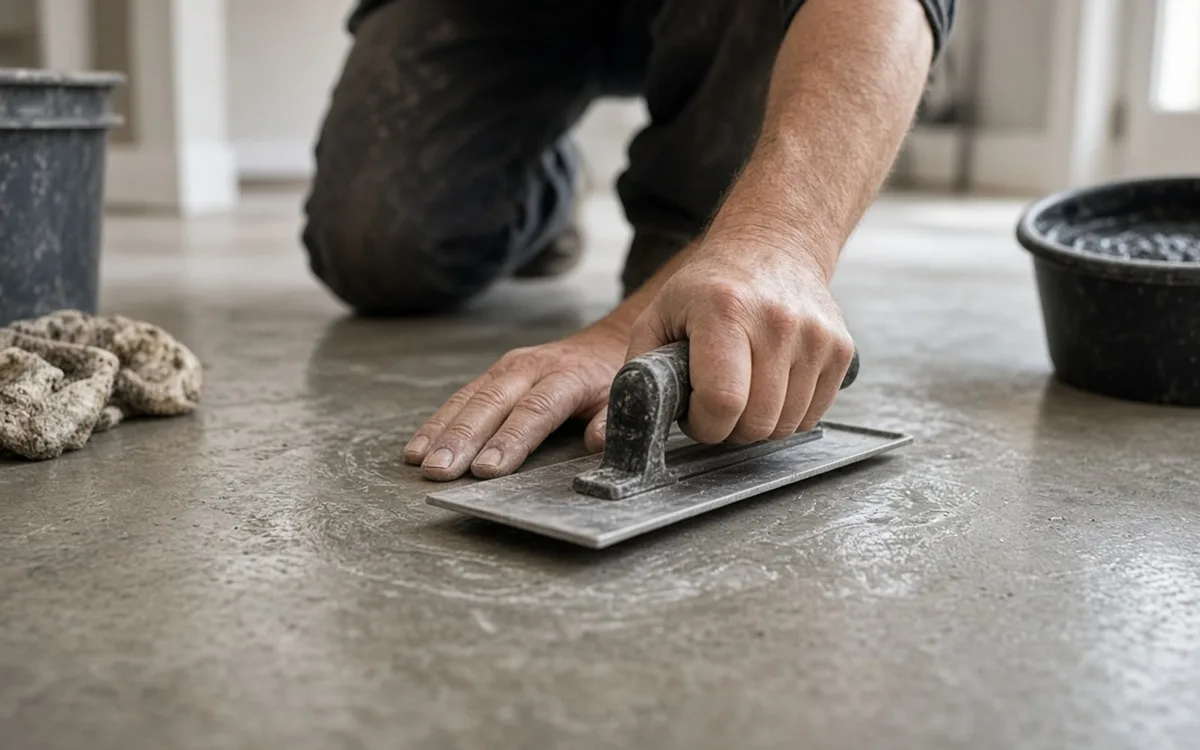
Facility Floor Scope · Epoxy coating vs Urethane cement
Choose urethane cement where the floor sees hot water or steam cleaning, thermal swings, freezers, or daily wash-down; choose epoxy for dry manufacturing, warehousing, and light chemical exposure. Epoxy costs less to install, but in wet processing it often delaminates within two years, while urethane cement is sold on 15 to 25 year service lives.
This is the decision that most often goes wrong in food, beverage, and commercial kitchen facilities, because the two systems look similar on a bid sheet and the price gap is large. Epoxy wins the bid; urethane cement wins the decade. The deciding fact is usually not chemical exposure or traffic but temperature: how hot the cleaning water is and how fast the floor cools afterwards.
This page walks through the scenarios where each system belongs, a ten-year cost comparison using published figures, the climate and slab factors that tilt the decision, and the questions that expose a mismatched proposal. The comparison table and verdict on this page summarize the trade-off; the sections that follow are for the person who has to defend the choice.
Epoxy costs less, builds well, and resists a wide chemical range, but tolerates only about 120°F of thermal shock and cures slowly. Urethane cement costs roughly double, handles -40°F to 250°F and steam wash-down, returns to service in 24 hours self-leveling, and is sold on a 15-to-25-year life. Wet processing with hot wash-down is the dividing line.
| Factor | Epoxy coating | Urethane cement |
|---|---|---|
| Installed cost per sq ft | $3–$9 (Ace Avant 2026); $6–$10 in food settings (Terrapin) | $7–$13 standard, $12–$18 thermal shock (Ace Avant); $4–$17 by size (Craftsman) |
| Thermal shock tolerance | ~120°F (Terrapin) | -40°F to 250°F, 150°F+ differentials (Craftsman) |
| Return to service | 48–72 hrs foot traffic (Terrapin) | 24 hrs self-leveling; 48–72 trowel; 8–12 hrs rapid-set (Craftsman, Terrapin) |
| Life under wash-down | Delaminates in 12–24 months (Craftsman) | 15–20+ years (Craftsman); 25+ documented (Jinyu) |
| Moisture tolerance | Needs vapor emission below 3–5 lbs/1,000 sq ft/24 hrs (Rose Restoration); mitigation often required | Higher, cementitious and breathable (Rose Restoration); still test |
| Thickness | 20–40 mils typical coating | 3/16–3/8 in standard duty (Craftsman); 1/4–3/8 in (Rose Restoration); 6–9 mm food (Jinyu) |
| Best for | Dry manufacturing, light chemical exposure, budget-constrained areas | Food and beverage, kitchens, wash-down, freezers, heavy forklift lanes |
Epoxy wins in dry or moderately exposed areas where the thermal cycle stays under its limit, the budget is fixed, and a 48-to-72-hour shutdown is acceptable. In that setting urethane cement's premium buys tolerance the floor will never use.
Urethane cement wins anywhere hot water meets the floor. Terrapin's 160°F swing, 2–3x daily in food plants and Craftsman's 12–24 months epoxy delamination figure describe the same mechanism; Terrapin's $350,000 saving that became a $1.1 million replacement is the extreme cost of ignoring it. All three sources sell urethane cement, but the chemistry is not in dispute. Specify the thermal-shock tier only where wash-down or freezer-to-oven cycling actually occurs.
Meat, poultry, dairy, bakery, and beverage processing rooms with daily sanitation, commercial kitchens with hot-water hose-down, breweries, and cold storage with freezer doors opening onto warmer docks are urethane cement territory. Terrapin Construction Group describes steam at 180 to 200 degrees followed by cold rinse, a 160°F swing, 2–3x daily. Epoxy's tolerance of about 120 degrees of swing does not cover that. The kitchens are a large stock on their own: our analysis of EIA's 2018 building survey puts 924 million sq ft of floorspace in restaurants and cafeterias and 171 million sq ft in 41,000 other food service buildings.
Dry assembly, packaging with occasional mopping, parts warehouses, maintenance shops, and many laboratories do not need urethane cement. A properly prepared epoxy system with a wear topcoat serves those areas well at a lower price. Mixed facilities should specify by zone rather than applying the most demanding system everywhere, which is how a plant can control cost without putting the wet rooms at risk.
Take a 10,000 square foot wash-down area. Terrapin prices 100 percent solids epoxy at $6 to $10 per square foot in food settings, or about $60,000 to $100,000 installed. Craftsman reports standard epoxy delaminating within 12–24 months under daily wash-down, which implies five or more replacements in a decade, each with removal, preparation, and shutdown days.
Ace Avant prices thermal-shock urethane cement at $12–$18 per sq ft, or about $120,000 to $180,000 for the same room installed once. Even at the low end of epoxy's price and failure rate, the epoxy path costs more over ten years before counting downtime. Terrapin's case of a plant that saved about $350,000 upfront and then paid $1.1M to replace a failed floor is the same arithmetic at larger scale.
| 10,000 sq ft wash-down room | Epoxy path | Urethane cement path |
|---|---|---|
| Installed cost, first install | $60,000–$100,000 (Terrapin) | $120,000–$180,000 (Ace Avant) |
| Expected life under wash-down | 12–24 months (Craftsman) | 15–25 years (Craftsman, Jinyu) |
| Installs in ten years | Five or more | One, plus topcoat maintenance |
| Shutdowns for replacement | One per install | None expected |
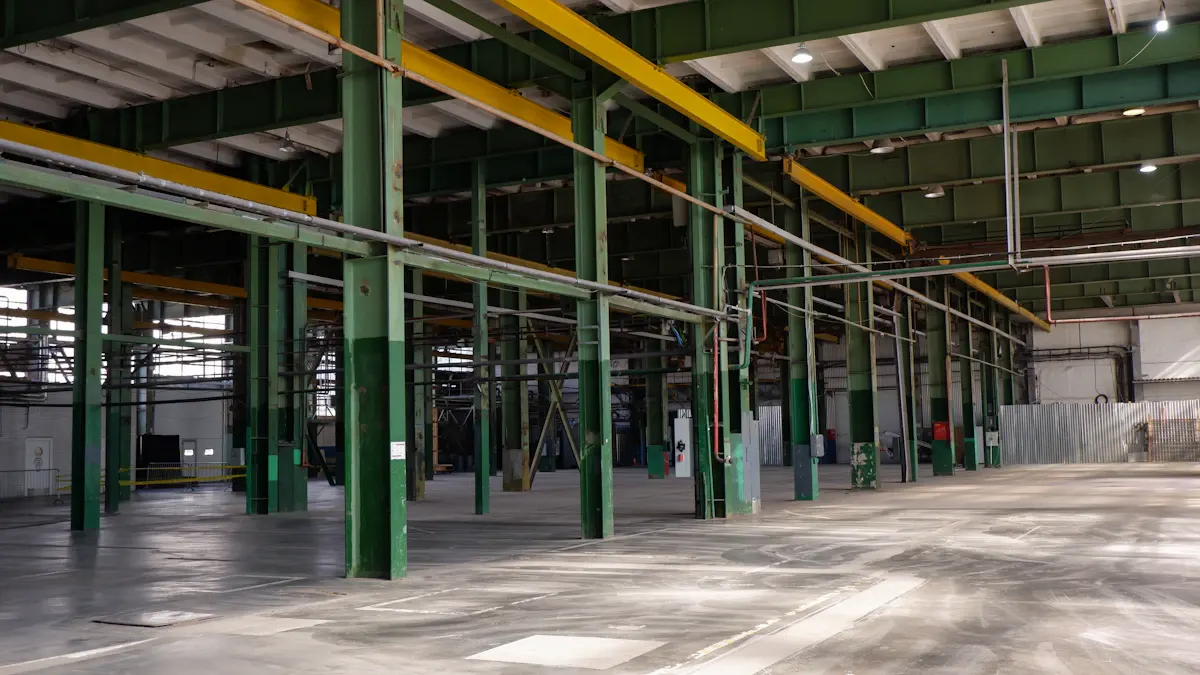
Epoxy generally needs slab vapor emission below 3–5 lbs per 1,000 sq ft per 24 hrs, by Rose Restoration's figure, and urethane cement tolerates more because its cementitious component breathes. That matters in older plants without vapor retarders and in slabs that are constantly wetted from above. That tolerance does not remove the need to test, but it can reduce or avoid the moisture mitigation layer that an epoxy system would require, which Jinyu prices at $2 to $4 per square foot.
Both systems slow down on cold slabs. Urethane cement and epoxy each need a minimum substrate temperature to cure properly, and in unheated plants during winter, contractors may need heated enclosures. If the work must happen in a cooler or freezer, neither may be practical and MMA becomes the candidate. State the expected slab temperature in the brief so each proposal's cure schedule is realistic.
Food safety auditors and regulators look for floors that are smooth, durable, cleanable, and nonabsorbent, with no cracks harboring bacteria. A delaminating epoxy floor with lifted edges and hollow spots is an audit finding waiting to happen. Urethane cement with integral coves and proper slope to drains is the standard answer in USDA and FDA facilities, which makes it easier to defend in an audit or to a customer's quality team.
For the building, a sound urethane cement floor is an asset to a future food-grade tenant or buyer; a failing epoxy is a liability. In leased space, check restoration clauses before installing either, because a thick urethane cement floor is harder to remove. Many landlords of food-grade buildings will accept it as a permanent improvement if asked in advance.
Picture a poultry or dairy room at the end of production. Crews scrape and rinse, apply a foaming alkaline or acid cleaner, then hit the floor with hot water or steam before a cold rinse and sanitizer. The slab surface heats quickly while the concrete underneath stays cool. Every material on the floor tries to expand, and the difference in movement between the topping and the slab concentrates at the bond line.
Urethane cement expands at a rate closer to concrete's and is thick enough to absorb that stress, so the cycle repeats for years without the bond letting go. A thin rigid epoxy moves differently from the slab below it, and each shift adds a little damage at the edges, drains, and joints. The first sign is usually hollow-sounding areas near drains, followed by chipping and lifted edges where water then gets underneath and speeds the failure.
That is why the sanitation team's procedure belongs in the brief. Write down the cleaners, their concentrations, the water or steam temperature, and how often each room is cleaned. Contractors can then match the system and thickness to the actual cycle rather than to an assumption about what food plants usually do.
If the room also has to be turned around quickly, the choice may widen to rapid-set urethane or MMA for part of the area. The MMA versus urethane cement comparison covers that trade-off, and the facility polls show the cleaning temperatures other plants report, which is a useful check on whether your own brief is realistic.
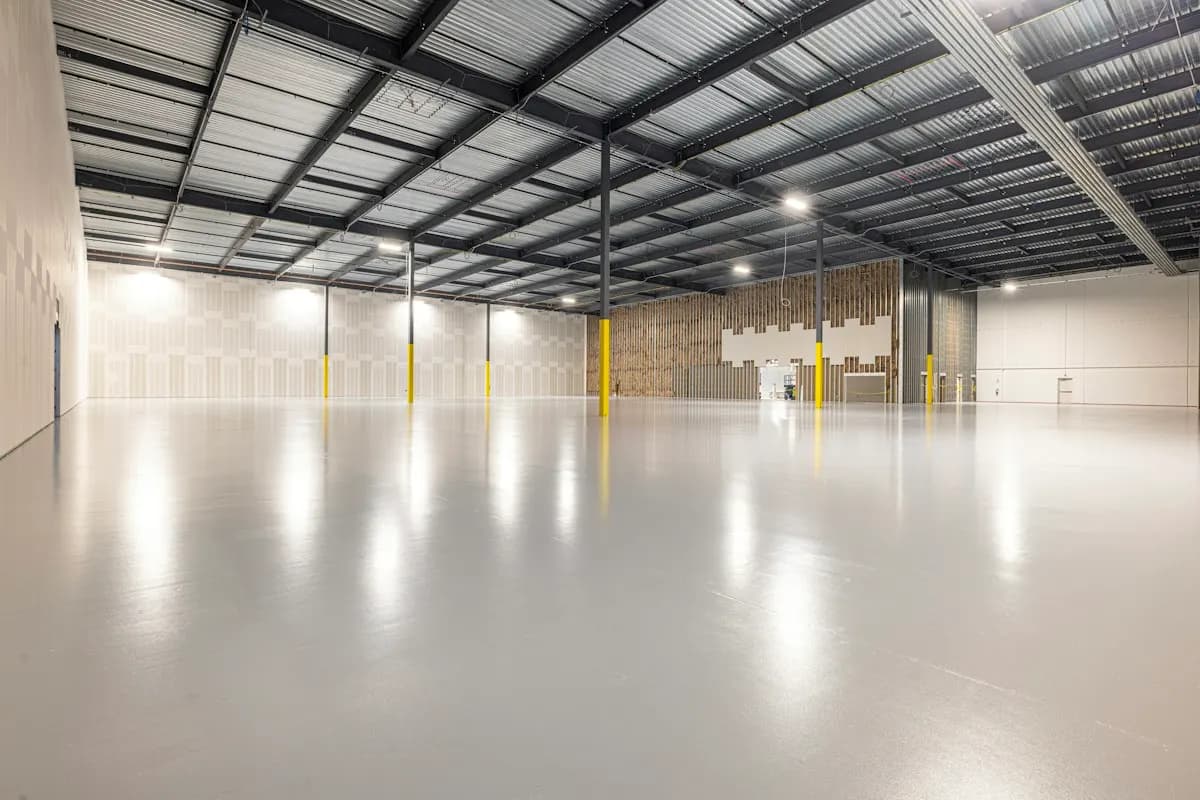
The most common mistake is specifying epoxy for a wet area because the bid was lower and the exposure was not written down. The second is putting urethane cement over poorly prepared concrete; it needs a rough profile, typically produced by shot blasting or aggressive grinding, and properly cut anchor keys at edges and drains. Thin terminations without keyways are where urethane cement usually starts to fail.
Other mistakes apply to both: skipping moisture testing, ignoring cold slabs, detailing drains poorly, and using cleaning chemicals the system was never tested against. A urethane topcoat over epoxy does not turn it into a thermal-shock floor. Use the specification quiz to check whether the brief states temperature, cleaning chemicals, and drainage before bids are requested.
Put each bid on the same basis: system and thickness by zone, surface preparation method and profile, moisture testing, cove height and linear feet, drain terminations, return-to-service time at your slab temperature, and warranty terms with exclusions. A proposal that offers epoxy for a wash-down room should explain in writing how it will survive the stated temperatures, and a urethane cement proposal should state its thickness in inches.
Then compare lifecycle, not just price: installed cost, expected life under your exposure, maintenance intervals, and downtime cost per replacement. Run both systems through the cost calculator and check the resin flooring cost guide for per-square-foot ranges by size. If the proposals still diverge, a mockup with a witnessed thermal cycle and adhesion test settles the question on your own slab.
Homeowner polls
Terrapin rates epoxy at about 120°F of thermal shock and urethane cement at 250°F or more.
No votes yet. Yours will be the first. · saved on this device
No votes yet. Yours will be the first. · saved on this device
No votes yet. Yours will be the first. · saved on this device
No. Thermal shock fails at the bond line between the rigid resin and the concrete, and a topcoat does not change that. Urethane cement performs because the whole body coat expands closer to the rate of concrete. Replace, do not overcoat, in wash-down areas.
It is the safer choice for thermal and wet exposure. It costs more, has its own surface preparation demands, and is unnecessary in a dry area. A dry packaging line next to a wet process room is a legitimate epoxy candidate, with a proper transition detail between the two.
Epoxy generally offers the broader chemical resistance list; urethane cement is strong against organic acids, sugars, and hot water typical of food processing. Match the data sheet's chemical resistance table to the brief's list at the actual concentrations and temperatures.
Yes, and it is common. Dry storage, packaging lines without wash-down, and corridors can use epoxy at lower cost, while processing rooms use urethane cement. The two meet at detailed transitions, usually a keyed saw-cut termination. Specify the boundary on the zone map so every bidder prices the same split and the transitions are included in the scope.
Craftsman lists standard-duty urethane cement at three-sixteenths to three-eighths of an inch, and Jinyu cites six to nine millimeters for food processing. Heavier thermal shock and impact call for the thicker end. Ask each bidder to state thickness in each zone and to explain why, because a thin proposal is one of the most common ways a low price is achieved.
Some systems use a urethane cement body with a seal coat or topcoat for texture control, color, or easier cleaning, while others are finished in a single troweled or self-leveling layer. A topcoat can be renewed as it wears in traffic lanes. Ask whether the proposed system includes one and what the recoat cycle is under your cleaning regime.
It depends on the texture. Urethane cement is usually finished with some texture for slip resistance, which can hold more soil than a smooth epoxy and may need scrubbing rather than mopping. Agree a texture on a mockup that meets both the slip target and the sanitation team's cleaning method, and test it with the actual cleaning equipment before approving.
Generally no. Failed epoxy has lost its bond, so anything placed over it inherits that weakness. The usual approach is to remove the old coating by shot blasting or grinding down to sound concrete, repair the slab, and then install the new system. Ask bidders to confirm complete removal and the target surface profile in writing.
Craftsman lists 24 hours to return to service for self-leveling urethane cement and 48 to 72 hours for troweled systems, after preparation. A single room might therefore be prepared, installed, and returned in two to four days, depending on the size, drains, coves, and slab temperature. Rapid-set products can shorten the cure further for tight shutdowns.
 ComparisonPolished concrete vs Resin coating
Polish the slab when the area is dry, the concrete is sound, and low downtime and upkeep matter most: warehouses, distribution, retail, and schools.
 ComparisonESD epoxy or urethane coating vs ESD vinyl tile or sheet
Choose an ESD resin coating for large, permanent layouts, wash-down or solvent exposure, and data centers where a seamless surface matters.
 ComparisonWelded sheet vinyl or rubber with flash cove vs Seamless resin with integral cove
Use heat-welded sheet vinyl or rubber with flash cove in patient rooms, corridors, clinics, and procedure rooms, where overnight turnaround, comfort, and quiet matter.
 ComparisonMMA (methyl methacrylate) vs Urethane cement
Choose MMA when the floor must be back in service within hours, or installed in a cooler or freezer, and odor can be isolated: overnight retail, restaurants, cold storage.
 Service guideIndustrial Epoxy Flooring
Industrial resin flooring is a family of seamless systems, epoxy, urethane cement, MMA, and hybrids, bonded to a prepared concrete slab and built to resist the chemicals, loads, temperatures, and cleaning a facility subjects it to.
 Service guidePolished Concrete Floors
Commercial concrete polishing grinds and densifies the existing slab through progressively finer diamonds until it becomes a hard, dust-free wear surface.
 Service guideESD & Anti-Static Flooring
ESD flooring is a conductive or static-dissipative floor system, epoxy, urethane, vinyl tile, or rubber, bonded to a grounded conductive layer so that charge on people and carts drains safely.
 Service guideAntimicrobial & Healthcare Flooring
Healthcare flooring covers seamless resin, welded sheet vinyl and rubber, and coved, drained systems chosen so that a facility's cleaning and infection-control program can be carried out on them.
 Free toolCommercial and industrial flooring cost calculator
Size, material tier and complexity in, a realistic budget range out.
 Free toolIs your facility flooring requirement complete enough to bid?
8 questions that show what you already know and what to check next.
 Free toolFacility flooring polls: how other managers decided
See what other planners chose and add your vote.
Tell us the size, the condition of what is there now, and what you want to change. Facility Floor Scope passes your request to independent local professionals, who reply with written, no-obligation estimates. The service is free to use.