For ESD floors, who owns the program limits and retest schedule?
No votes yet. Yours will be the first. · saved on this device
Loading...
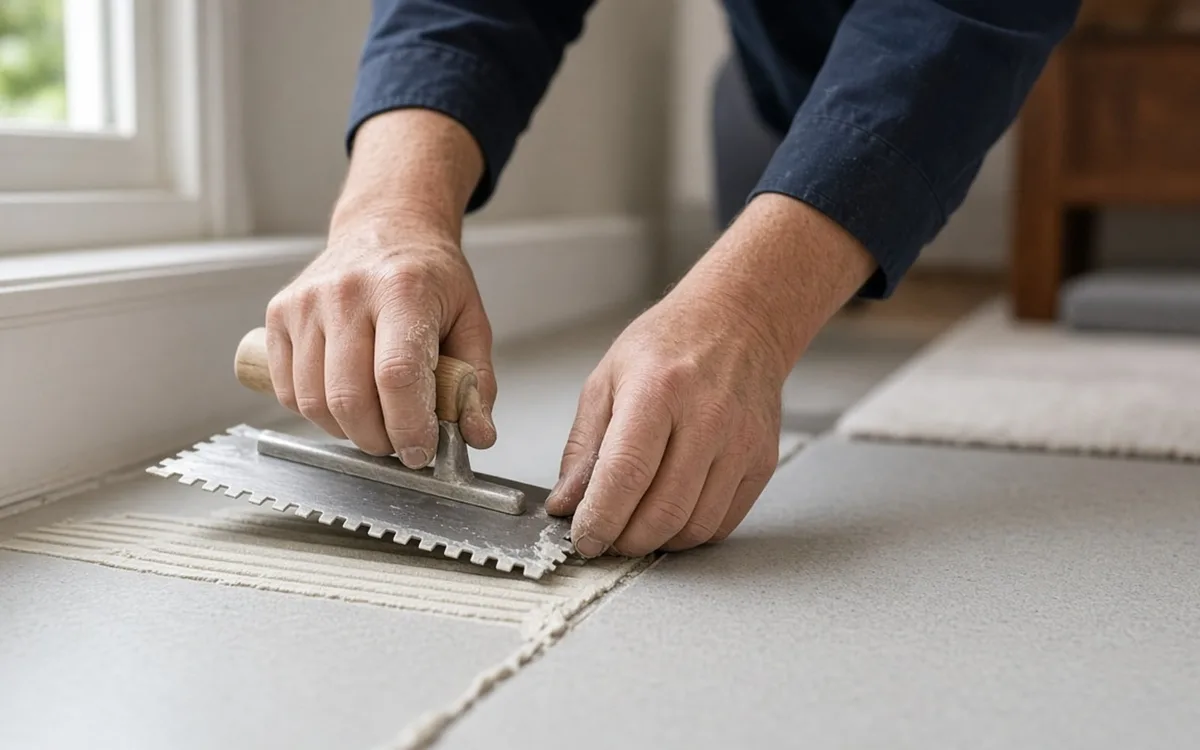
Facility Floor Scope · ESD epoxy or urethane coating vs ESD vinyl tile or sheet
Choose an ESD resin coating for large, permanent layouts, wash-down or solvent exposure, and data centers where a seamless surface matters. Choose ESD tile or sheet for assembly and test areas whose layouts change, leased space, and projects that cannot wait for a resin cure. Both must meet the program's resistance limits under ANSI/ESD S20.20 methods.
Static-control floors are bought to protect product, not to look good, so the question is which floor keeps the program within its limits at the lowest total cost over its life. Resin coatings and conductive tile both work when installed and grounded correctly. They differ in how they are installed, how they age, how they are repaired, and how they cope with a facility whose layout keeps changing.
This page covers the scenarios where each fits, cost over a decade from published figures, environmental factors, the mistakes that cause audit failures, and how to compare proposals. The ESD program owner, usually quality or engineering, should read it alongside the facility team, because the floor is only one element of their system.
Both depend on a grounded conductive layer and are accepted to the same ANSI/ESD S20.20 tests. Coatings are seamless and chemical-resistant with resin cure times; tile and sheet are replaceable by the piece, walkable when the adhesive sets, and common in assembly areas with changing layouts.
| Factor | ESD epoxy or urethane coating | ESD vinyl tile or sheet |
|---|---|---|
| Installed cost per sq ft | $3.34–$13.55 by size (Craftsman 2025) | Material-driven; varies by product |
| Seams | Seamless | Tile seams; welded sheet is seamless |
| Return to service | Resin cure, typically 24–72 hrs | When adhesive sets, often same day |
| Repair | Patch and retest; visible | Replace tile and retest |
| Chemical and wash-down resistance | High | Moderate; adhesive is the weak point |
| Layout changes | Cut and patch around new equipment | Lift and relay tile |
| Best for | Solvent or wash-down areas, data centers, permanent layouts | Assembly and test floors, repair depots, leased space |
A coating wins where the ESD area also sees chemicals, wash-down, or heavy rolling loads, and where the layout is fixed; Craftsman's published data center and battery plant projects are coatings. Tile or sheet wins on assembly floors that reconfigure, in leased buildings, and where same-day return to service matters. In both cases the grounding design and the acceptance grid are the specification; the surface is a durability choice.
Coatings suit data centers, battery and cell manufacturing, large electronics plants, cleanrooms, and any area with solvents or periodic wet cleaning. They are seamless, so there are no joints to collect debris or let liquids reach the adhesive, and they cover large areas economically. Craftsman's published projects include a 67,000 square foot data center at $3.59 per sq ft and a battery plant of over 100,000 square feet at under $4.
Tile or sheet suits electronics assembly, test and repair depots, service centers, and leased space where the layout may change or the floor must be removed at lease end, much of it inside the 9,294 million sq ft of administrative and professional floorspace in our analysis of EIA's 2018 survey. BLS counts 29,800 floor layers outside carpet, wood and hard tile, the trade that usually sets ESD tile. Tiles can be lifted and relaid around new workstations, and a damaged tile can be swapped rather than patched. Tile is walkable once the conductive adhesive sets, which often allows same-day return to service in small areas.
Craftsman prices ESD coatings at $3.34–$13.55 per sq ft, with the unit price falling steeply as area grows: $6.70 to $13.55 under 5,000 square feet and $3.34 to $4.40 above 20,000. For large areas a coating is usually the cheaper installed floor. Tile is harder to benchmark installed, but UltraStat's August 2026 material prices show the gap at the product level: ESD epoxy with sealers at under $2.00 per sq ft delivered versus $6.39 to $6.46 for ESD vinyl tile, before labor, adhesive, grounding, and testing. Ask tile bidders for an installed price per square foot so the two can be compared on the same basis.
Over ten years, the difference often comes from changes rather than wear. A facility that reconfigures lines every few years pays to cut, patch, reground, and retest a coating each time; with tile it pays to lift and relay. Both need periodic retesting, and both can drift if cleaned with the wrong products. Estimate how often the layout will change, then price each change for both systems.
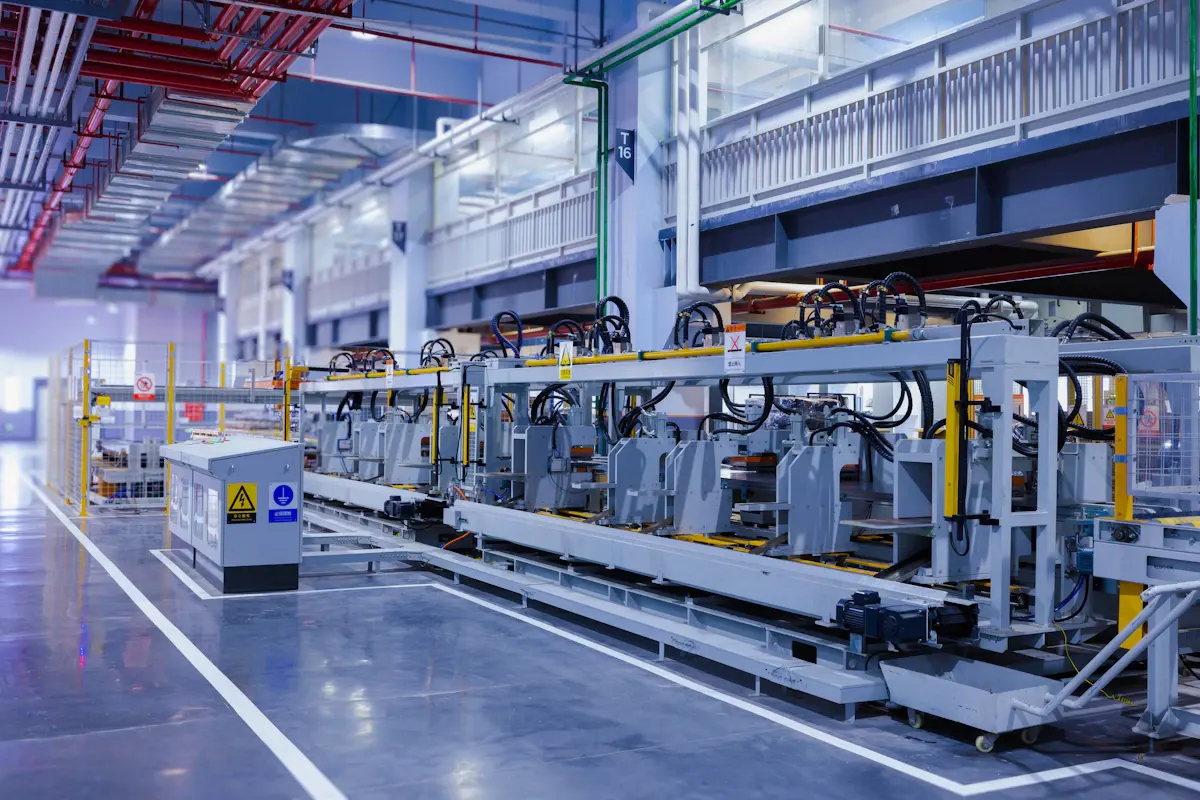
Low humidity raises static generation and makes the floor's job harder, so dry climates and heated winter air put more demand on the whole program. Both systems need the right footwear and grounding to perform; neither compensates for poor humidity control. The program owner should state the environmental conditions the floor must perform in, and resistance testing should be done under representative conditions.
Cleaning is where many ESD floors drift. Waxes, polishes, and some general-purpose cleaners leave insulating residue that raises resistance over time. Coatings tolerate more aggressive cleaning and wet processes; tile adhesives can suffer with repeated wet cleaning. Slab moisture affects both, since it can disrupt coatings and tile adhesives alike, so moisture testing belongs in both scopes.
The most common is specifying anti-static rather than a defined resistance range. Anti-static is not a measured category in ANSI/ESD S20.20, and it allows products that do not meet the program's limits. The second is incomplete grounding: too few ground points, points not connected to a verified building ground, or grounding destroyed by later work. The third is cleaning the floor with products that leave an insulating film.
Other mistakes include accepting the installer's own test with no witness, testing only at handover and never again, and forgetting that people must be grounded through footwear. The site's polls ask who owns the retest schedule for this reason. The ESD flooring page explains the resistance categories and ground point planning.
Electronics and test operations move lines more often than most facilities. With a resin ESD coating, a new workstation anchored to the floor means drilling through the conductive layer, patching around old anchor holes, and retesting resistance in the affected area. If a wall or cleanroom partition moves, the floor edges may need new grounding points. None of this is difficult, but each change brings a crew, a cure, and a test report.
With ESD tile, damaged or drilled tiles can be lifted and replaced, and whole areas can be relaid around a new layout with the same material if spare stock was kept from the original installation. Retesting is still required, but the repair is faster and less visible. Ask each bidder to price a typical change, such as relocating a line of benches, so the ten-year comparison reflects how the facility actually operates.
Leased facilities add a further consideration. If the lease requires the floor to be restored at the end of the term, tile can often be lifted and the adhesive removed more easily than a bonded resin coating can be ground off. Check the lease's alteration and surrender clauses, and include the removal cost in the comparison where restoration is likely. Some landlords will waive restoration for a floor that adds value for the next tenant.
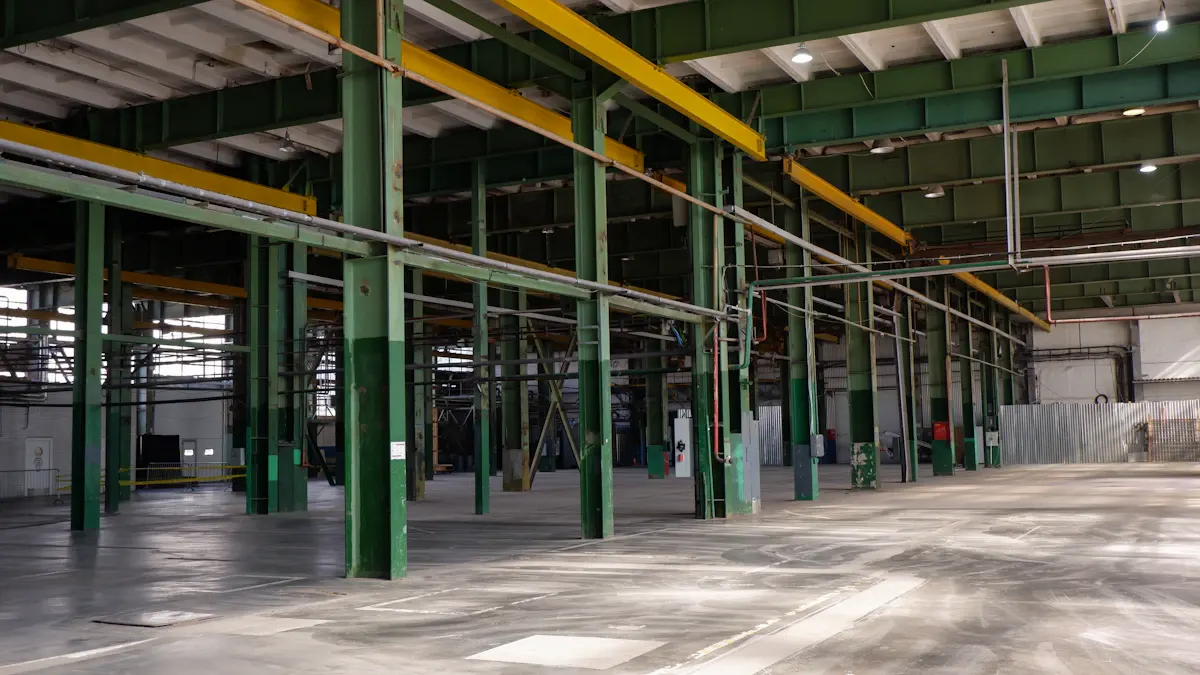
Data centers usually favor coatings. Their floors are large and open, layouts are planned years ahead, and a seamless surface is easy to keep free of particulates. Craftsman's published data center price of $3.59 per sq ft shows how economical a large coating can be. Raised access floors are a separate product with their own static-control tiles, so confirm which surface the program actually covers.
Cleanrooms add particle and outgassing requirements to static control. The floor must not shed particles, must tolerate the cleanroom's cleaning agents, and must be installed under the room's protocols. Coatings are common, but some cleanrooms use welded conductive sheet instead. The cleanroom specification, not the flooring contractor, should set these limits, and the proposal should show how the product meets them.
For either setting, write the environmental conditions, cleaning agents, particle requirements, and resistance range into the brief before bids are requested, and ask the program owner and the cleanroom or data center manager to sign it off together. The specification quiz is a quick check that the brief states the resistance range, test method, and cleaning regime, which are the three items most often left for the contractor to guess.
Every proposal should state the resistance range the floor will meet, the test methods, the test locations and conditions, who will witness the acceptance test, and what happens if an area fails. It should specify the ground point layout and connection, the conductive primer or adhesive, the surface layer, and the cleaning products approved for use. Ask for sample test reports from a comparable completed project.
Compare price only once these match. Then look at lifecycle: retesting frequency, cleaning costs, repair method, and the cost of each layout change. Use the cost calculator specialty tier for coatings and check the ESD cost guide for the size curve. If the choice is still close, a small mockup of each system tested under your conditions settles it.
Homeowner polls
No votes yet. Yours will be the first. · saved on this device
No votes yet. Yours will be the first. · saved on this device
No votes yet. Yours will be the first. · saved on this device
Yes. Resistance to ground and point-to-point per ANSI/ESD STM 97.1 and 97.2, plus system resistance with footwear, at stated humidity. The pass range comes from the program, not the product type.
Both drift if topical finishes are applied or humidity drops. Tile adds seam and adhesive risks; coatings add wear-through in lanes. A written cleaning procedure and a periodic test schedule matter more than the choice.
Yes. A plant might coat production and warehouse areas and use tile in a test lab whose layout changes often. Both must meet the program's resistance limits, and transitions between them must maintain the grounding path. The program owner should approve both systems and test them against the same limits with the same methods.
The resistance range, test methods, test locations, footwear requirements, ground point layout, approved cleaning products, and the retest schedule. The program owner, often in quality or engineering, is responsible for compliance with the facility's static-control plan. The flooring contractor installs to that plan; it should not set the limits itself.
Typically through copper strips or ground points embedded in or under the conductive layer, connected to a verified building ground. The number and spacing depend on the system and area. Ask the contractor to show the layout on a plan, to verify the building ground connection, and to test resistance to ground at points across the floor.
Yes, in most cases. General cleaners, waxes, and polishes can leave residue that raises surface resistance. Manufacturers list compatible cleaners, and the facility's cleaning contractor should use only those. Write the approved list into the cleaning contract and retest resistance after any change in products or cleaning methods.
Not by itself. A floor grounds people only through conductive footwear or heel grounders, and seated operators usually still need wrist straps. ANSI/ESD S20.20 treats flooring and footwear together as one grounding path, with other controls for seated work. The program owner decides which combinations are acceptable for each work area.
More than tile. The slab is prepared by grinding or shot blasting, which is noisy and dusty, then the conductive primer, grounding, and resin layers are applied with cure times between them. Most areas need a few days out of service. Tile installation is quieter and often allows same-day use once the adhesive sets.
 ComparisonEpoxy coating vs Urethane cement
Choose urethane cement where the floor sees hot water or steam cleaning, thermal swings, freezers, or daily wash-down; choose epoxy for dry manufacturing, warehousing, and light chemical exposure.
 ComparisonPolished concrete vs Resin coating
Polish the slab when the area is dry, the concrete is sound, and low downtime and upkeep matter most: warehouses, distribution, retail, and schools.
 ComparisonWelded sheet vinyl or rubber with flash cove vs Seamless resin with integral cove
Use heat-welded sheet vinyl or rubber with flash cove in patient rooms, corridors, clinics, and procedure rooms, where overnight turnaround, comfort, and quiet matter.
 ComparisonMMA (methyl methacrylate) vs Urethane cement
Choose MMA when the floor must be back in service within hours, or installed in a cooler or freezer, and odor can be isolated: overnight retail, restaurants, cold storage.
 Service guideIndustrial Epoxy Flooring
Industrial resin flooring is a family of seamless systems, epoxy, urethane cement, MMA, and hybrids, bonded to a prepared concrete slab and built to resist the chemicals, loads, temperatures, and cleaning a facility subjects it to.
Service guidePolished Concrete FloorsCommercial concrete polishing grinds and densifies the existing slab through progressively finer diamonds until it becomes a hard, dust-free wear surface.
 Service guideESD & Anti-Static Flooring
ESD flooring is a conductive or static-dissipative floor system, epoxy, urethane, vinyl tile, or rubber, bonded to a grounded conductive layer so that charge on people and carts drains safely.
 Service guideAntimicrobial & Healthcare Flooring
Healthcare flooring covers seamless resin, welded sheet vinyl and rubber, and coved, drained systems chosen so that a facility's cleaning and infection-control program can be carried out on them.
 Free toolCommercial and industrial flooring cost calculator
Size, material tier and complexity in, a realistic budget range out.
 Free toolIs your facility flooring requirement complete enough to bid?
8 questions that show what you already know and what to check next.
 Free toolFacility flooring polls: how other managers decided
See what other planners chose and add your vote.
Tell us the size, the condition of what is there now, and what you want to change. Facility Floor Scope passes your request to independent local professionals, who reply with written, no-obligation estimates. The service is free to use.