What did you budget per square foot, all-in?
Stelr lists commercial polishing at $3–$8; Ace Avant lists urethane cement at $7–$18 by duty.
No votes yet. Yours will be the first. · saved on this device
Loading...
Facility Floor Scope · Costs
In 2026, published ranges put commercial polished concrete at about $3 to $8 per square foot, epoxy systems at $3 to $9, urethane cement at $4 to $18 depending on size and duty, MMA at $8 to $12, and ESD floors at $3.34 to $13.55. Project size, slab condition, thermal exposure, and phasing move a price more than the product name does.
By Facility Floor Scope editorial · Updated 2026-09-25
Facility managers usually need a floor number twice: once for the capital request, and again when proposals arrive that differ by a factor of two. This guide is built for both moments. It sets out the published 2026 ranges for each major system, explains what pushes a job to the top or bottom of those ranges, and shows how to read a bid so that the comparison is between equal scopes.
Every figure below comes from a named contractor guide, trade publication, or pricing site. Use them to test whether a budget is realistic and whether a proposal is in the right neighborhood, then rely on written proposals from a site walk for the final figure.
The widest ranges belong to the systems with the most variation in thickness and duty. Ace Avant's 2026 guide tiers urethane cement from $7 to $13 for standard duty up to $12–$18 per sq ft for thermal-shock and wash-down builds, against $3 to $9 for epoxy. Stelr puts commercial polishing at $3–$8 per sq ft versus residential. Terrapin Construction Group prices MMA at $8–$12 per sq ft.
Static-control and healthcare systems sit alongside those. Craftsman Concrete Floors lists ESD floors at $3.34–$13.55 per sq ft depending on project size, and Jinyu Paint prices healthcare-grade and food-grade systems at $3 to $8 for epoxy and $8 to $15 for urethane cement, plus $2 to $4 per linear foot of integral cove. The table on this page summarizes the published ranges; the service cost pages break each one down further.
| System | Published installed range | Source |
|---|---|---|
| Commercial polished concrete | $3–$8 per sq ft | Stelr 2026 |
| Epoxy coating system | $3–$9 per sq ft | Ace Avant 2026 |
| Urethane cement, standard to thermal shock | $7–$18 per sq ft | Ace Avant 2026 |
| MMA fast-cure | $8–$12 per sq ft | Terrapin 2026 |
| ESD coating, by project size | $3.34–$13.55 per sq ft | Craftsman 2025 |
Mobilization, equipment, supervision, testing, and setup are largely fixed per job, so they shrink per square foot as the area grows. Craftsman's urethane cement pricing shows the curve clearly: $11 to $14 per square foot under 3,000 square feet, falling to $4 to $8 above 50,000. Its ESD pricing follows the same shape, from $6.70 to $13.55 under 5,000 square feet to $3.34 to $4.40 above 20,000.
The same effect runs to extremes on repairs. Craftsman cites a small ESD repair of about 75 square feet priced as high as $63 per square foot, because a crew, a grinder, and a test meter still have to come to site. Its published projects include a 67,000 square foot Houston data center at $3.59 per sq ft. If several zones will need work within a few years, bundling them into one contract usually buys a better unit rate than doing them separately.
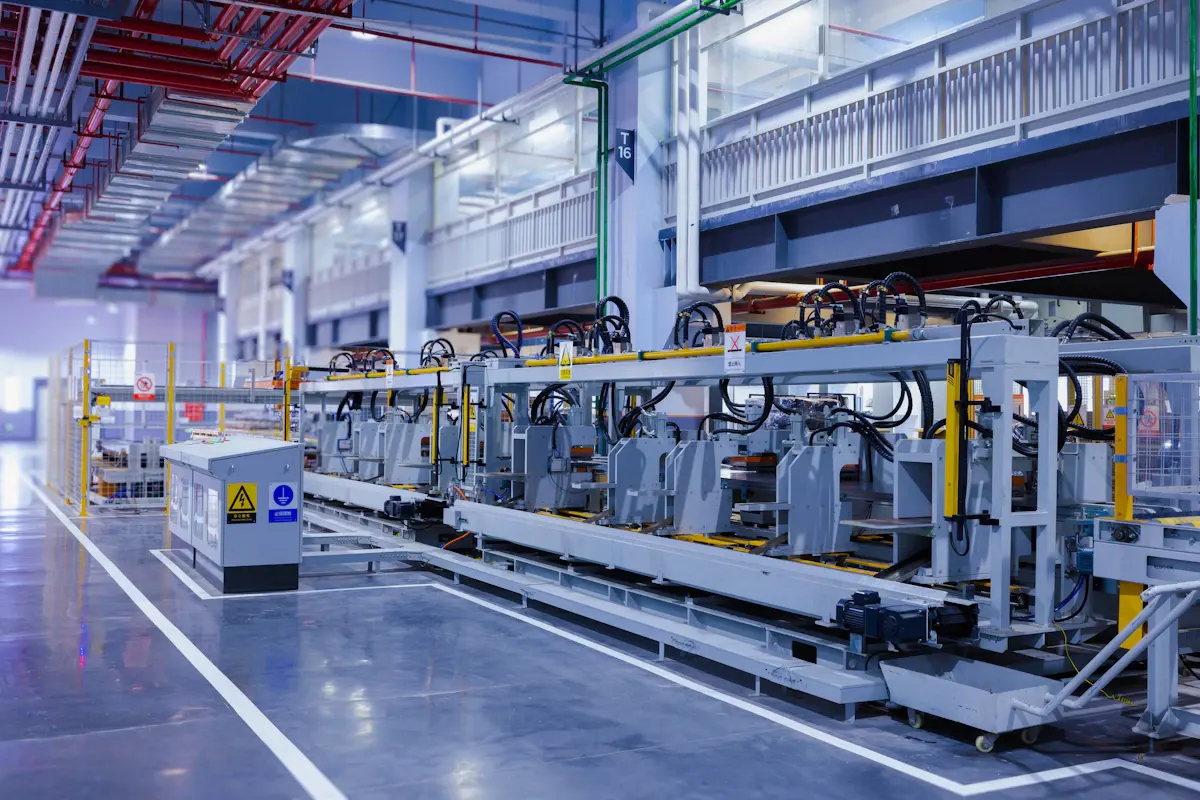
Exposure is the first lever: hot wash-down, steam, and freezer temperatures push the job toward thicker urethane cement, while dry storage allows polishing or a thin coating. Slab condition is the second: moisture, oil contamination, and cracks add preparation. Access is the third: phasing, night work, and barriers in an operating plant cost more than an empty shell. Detail density, meaning coves, drains, trench edges, and transitions, adds linear-foot items that do not show in a square-foot price.
Downward pressure comes from larger areas, open access, a sound slab, and flexibility on schedule. A contractor who can work continuous day shifts in a vacant building will price well below one working six-hour night windows behind dust barriers. Before trimming the system to save money, look at whether the schedule or access could be loosened, and check the polished versus coated comparison if a dry zone could be polished instead; that often saves more without shortening the floor's life.
Jinyu Paint's 2026 breakdown for urethane cement puts materials at 40 to 50 percent of the installed price, labor at 30 to 40 percent, surface preparation at 10 to 20 percent, and overhead at 5 to 10 percent. Thin epoxy coatings shift that balance toward labor and preparation, while polishing is almost entirely labor and machine time, with densifier and guard as the main materials.
Labor rates reflect a small skilled workforce. The Bureau of Labor Statistics puts the flooring installer and tile setter group at 97,000 nationally, with a median wage of $54,390, and that group includes residential carpet and tile installers. Crews experienced in thick resin systems or ESD testing are a smaller subset, which is one reason specialty work carries a premium and why lead times stretch in busy seasons.
No published source reliably quantifies regional multipliers for industrial flooring, so treat any single percentage with suspicion. What the sources do show is that local labor markets, travel distance, prevailing-wage requirements on public work, and climate all move price. A rural plant that needs a specialist crew to travel several hours will carry lodging and mobilization costs a metro project does not.
Climate matters through schedule. Resin cure slows sharply on cold slabs, so northern projects in winter may need heated enclosures or a faster-curing chemistry such as MMA, both of which add cost. Humid regions and older slabs without vapor retarders see more moisture mitigation. Ask each contractor to list travel, lodging, and climate-control costs separately so they can be compared with local bidders on equal terms.
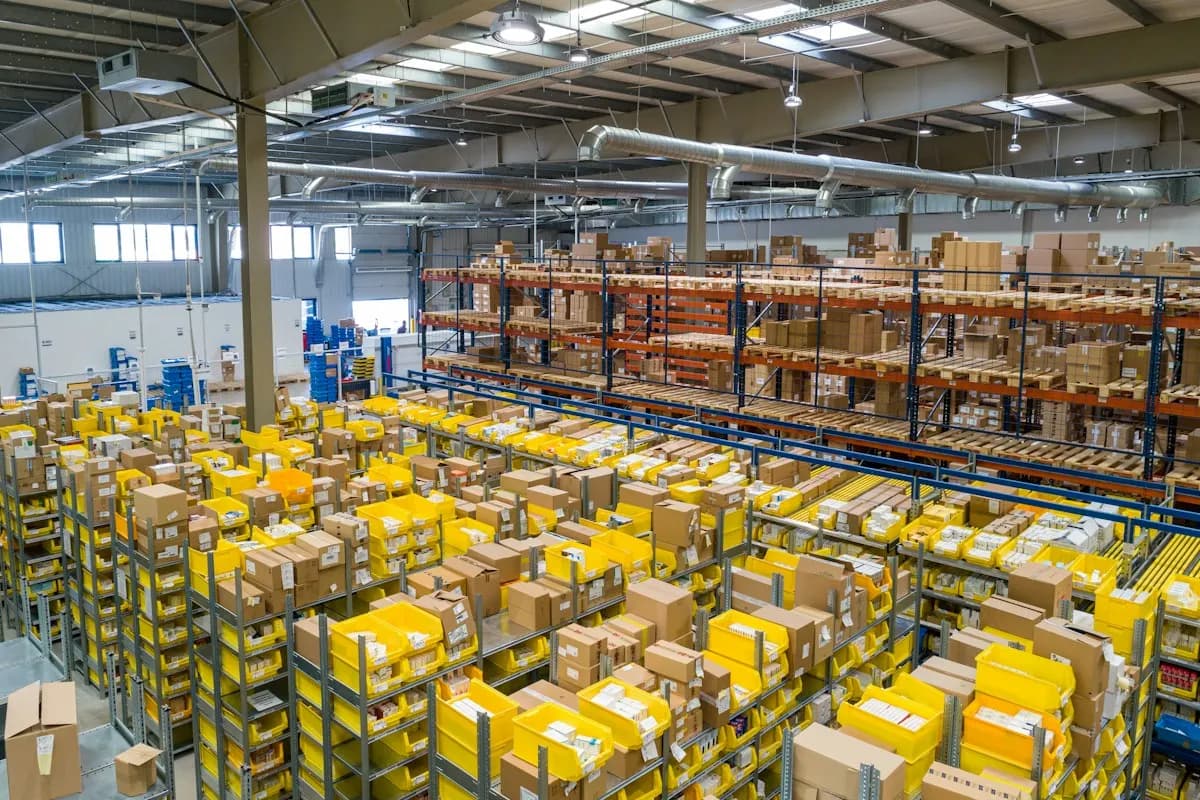
Moisture mitigation is the classic one: Jinyu lists $2 to $4 per square foot, and Craftsman $1.50 to $4, which can add a third or more to a thin coating's price. Removal of existing floors adds $1 to $3 per square foot in Airtasker's breakdown, and shot blasting $0.50 to $0.97 in Craftsman's. Crack, joint, and spall repair is usually priced by the linear foot or as an allowance, and is hard to estimate until the old finish is off.
Less obvious costs sit outside the flooring contract. Moving racking and equipment, temporary relocation of production, overtime for maintenance staff, abatement of asbestos-containing tile, drain replacement by a plumber, and lost output during downtime rarely appear in a flooring bid. Terrapin's case study included $1.1M in replacement cost for a failed floor, plus extra days of downtime it valued at over $50,000. Budget those items explicitly, and check the permits guide for approvals that carry their own fees.
Line the proposals up by zone and check five things before looking at the total: the system and its thickness, the preparation method and target surface profile, the moisture testing and mitigation allowance, the linear-foot items such as cove and joint treatment, and the acceptance tests. If any proposal is silent on one of these, ask for it in writing. A low bid that omits mitigation or cove is not a low bid.
Then compare schedule and risk: the return-to-service time at your slab temperature, how many mobilizations are included, what happens if moisture readings exceed the limit, and what the warranty excludes. Use the cost calculator to see whether each total is in the expected band for the system and complexity. A bid far below the band usually means a thinner system, less preparation, or an exclusion you have not found yet.
Dividing installed price by expected life changes the ranking. AIcoat's May 2026 guide annualizes commercial polished concrete at $0.15 to $0.30 per square foot per year over 20 or more years, against $0.35–$0.55 per sq ft per year for high-build epoxy over 12 to 15 years. Urethane mortar costs more to install but, at its longer life, lands close to epoxy per year.
The table in this section reproduces AIcoat's annualized figures, which are installer-published and assume the system matches its exposure. They leave out downtime for recoats and replacement, so add a day's lost output for each planned intervention before comparing. An epoxy floor in a wash-down room will not reach 12 years, which is why its annual cost there is far higher than the table suggests.
| System (AIcoat 2026) | Service life | Annualized cost per sq ft |
|---|---|---|
| Commercial polished concrete | 20+ years | $0.15–$0.30 |
| High-build epoxy | 12–15 years | $0.35–$0.55 |
| Urethane mortar, food and wet areas | 15–20+ years | $0.40–$0.75 |
| VCT | 5–10 years | $0.65–$1.10 |
| Paint or sealed concrete | 1–3 years | $0.70–$1.50 |
Using published ranges only: a 20,000 square foot distribution warehouse polished at Stelr's 10,000-plus band of $3–$6 per sq ft would budget roughly $60,000 to $120,000 before removal or repairs. Ace Avant estimates a 10,000 square foot warehouse in urethane cement at $70,000 to $150,000. Jinyu budgets a 10,000 square foot food processing floor with coves and drains at $120,000–$180,000.
At the other end, a 4,000 square foot electronics assembly area in an ESD coating falls in Craftsman's under-5,000 tier of $6.70 to $13.55, or roughly $27,000 to $54,000, plus grounding and testing. These are arithmetic on published ranges, not predictions for your building. Run your own zones through the resin cost guide and the other service cost pages, then compare with proposals.
Homeowner polls
Stelr lists commercial polishing at $3–$8; Ace Avant lists urethane cement at $7–$18 by duty.
No votes yet. Yours will be the first. · saved on this device
No votes yet. Yours will be the first. · saved on this device
No votes yet. Yours will be the first. · saved on this device
Budget per square foot by zone for the capital request, then expect proposals as a lump sum with unit prices for allowances such as moisture mitigation and crack repair. Per-square-foot budgeting shows where the money goes; lump-sum contracts give price certainty. Ask for both in the proposal so changes in measured area or conditions can be priced fairly without renegotiating the whole contract.
There is no published standard, but the size of the contingency should follow the uncertainty. A new slab with test results in hand needs little; an old slab under an existing coating, with unknown moisture and possible legacy tile, needs considerably more. Pricing mitigation and repair as unit-rate allowances in the bid is a more precise way to handle that uncertainty than a single percentage.
It is thicker, heavier to install, and built for exposures that destroy thin epoxy. Craftsman reports standard epoxy delaminating within 12 to 24 months under daily wash-down, while urethane cement is sold on service lives of 15 to 25 years. The unit price is higher, but in wet processing the lifecycle cost is usually lower because the floor is replaced far less often.
Often not. Many proposals exclude sales tax on materials, permit fees, and any plumbing or drain work, and some exclude moving equipment. Check the exclusions list in every proposal and ask for anything missing to be priced or confirmed as the owner's responsibility. Tax treatment of flooring as a capital improvement varies by state, so confirm it with your accountant.
Expect a much higher unit price than a full floor. Craftsman's published figure for a roughly 75 square foot ESD repair reached $63 per square foot, because the crew, equipment, and testing are the same regardless of area. Bundling several small repairs into one visit, or combining them with scheduled maintenance, is the most effective way to bring that unit cost down.
Rarely worth it. Preparation quality decides whether the system bonds, and most manufacturers tie their warranty to the installer's own preparation and profile. Facility staff can help with moving equipment, clearing zones, and providing access, which does reduce cost without putting the warranty at risk. Agree those owner responsibilities in writing before the contract is signed.
Downtime is often the largest cost that never appears in the bid. A faster-curing system such as MMA or rapid-set urethane may cost more per square foot but return a zone to production days sooner. Estimate lost output or overtime per day for each zone, then compare systems on installed price plus downtime, not installed price alone.
Resin prices follow petrochemical markets and labor follows construction demand, so both can move within a year. Most proposals state how long their price holds, and it is rarely long. If your project is a year out, budget with the published ranges and some allowance for movement, then request proposals close to the planned award date.
 Service guideIndustrial Epoxy Flooring
Industrial resin flooring is a family of seamless systems, epoxy, urethane cement, MMA, and hybrids, bonded to a prepared concrete slab and built to resist the chemicals, loads, temperatures, and cleaning a facility subjects it to.
 Service guidePolished Concrete Floors
Commercial concrete polishing grinds and densifies the existing slab through progressively finer diamonds until it becomes a hard, dust-free wear surface.
 Service guideESD & Anti-Static Flooring
ESD flooring is a conductive or static-dissipative floor system, epoxy, urethane, vinyl tile, or rubber, bonded to a grounded conductive layer so that charge on people and carts drains safely.
 Service guideAntimicrobial & Healthcare Flooring
Healthcare flooring covers seamless resin, welded sheet vinyl and rubber, and coved, drained systems chosen so that a facility's cleaning and infection-control program can be carried out on them.
 PlanningPlanning a commercial floor project from the requirement brief to handback
Plan a facility floor by writing down what the operation does to it before anyone quotes: loads, chemicals, cleaning temperatures, static limits, slip resistance, and the hours each zone can be down.
 MaterialsChoosing a facility floor system by exposure, cure time, and lifecycle
Match the system to the harshest thing the floor sees.
 PermitsPermits, codes, and inspections for commercial and industrial floor projects
Replacing a commercial floor finish often needs no building permit, but rules vary by jurisdiction and many projects trigger one anyway.
 Free toolCommercial and industrial flooring cost calculator
Size, material tier and complexity in, a realistic budget range out.
 Free toolCommercial flooring comparisons
Side-by-side tables for the decisions that change the price most.
 Free toolIs your facility flooring requirement complete enough to bid?
8 questions that show what you already know and what to check next.
 Free toolFacility flooring polls: how other managers decided
See what other planners chose and add your vote.
Tell us the size, the condition of what is there now, and what you want to change. Facility Floor Scope passes your request to independent local professionals, who reply with written, no-obligation estimates. The service is free to use.